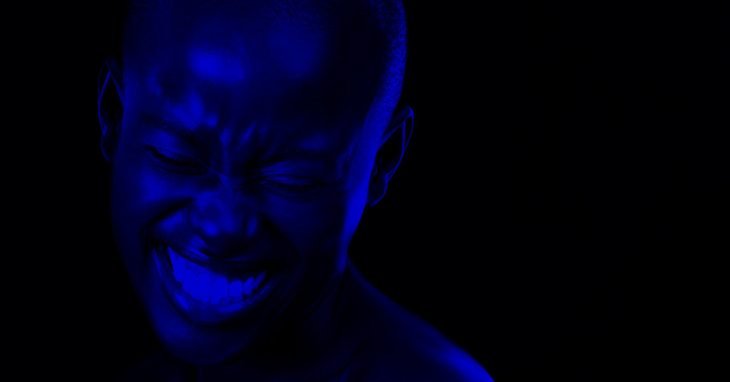
Over the course of 15 years, my lens has traversed the heart of East Africa. From Kenya’s vast savannas to Ethiopia’s intricate streets, I’ve chronicled the region’s essence through the medium of light. Recently, my perspective on the future of photography has undergone a profound transformation – all thanks to two simple words: generative AI.
Platforms like Midjourney and DALL-E have exploded onto the scene, promising (and sometimes delivering) breathtakingly realistic photo generation. Sunsets over the Nile painted in Van Gogh’s style? A Maasai warrior riding a unicorn across the Serengeti? – You got it. As a professional photographer, it’s impossible to ignore the disruption this brings.
Can a Machine Capture a Soul?
Let’s be clear: AI-generated photos are impressive. But here’s the thing – they often lack the emotional resonance of an actual photograph. They can manufacture beauty, but can they truly capture the raw, fleeting moments of human connection, the unexpected joy in a child’s eyes, the quiet power etched on an elder’s face? Not yet. This is where the human touch in photography shines, and it’s something that AI can’t replicate.
There’s a magic to the unexpected, the ability to be present in a decisive moment that AI can’t replicate. My photo of a Maasai boy, mid-leap, catching a spear thrown by his father, tells a story beyond the pixels. It speaks of tradition, trust, and the delicate dance between generations. For all its technical prowess, an AI image can’t compete with that narrative power.
Where AI Shines: The Future Is Now
That doesn’t mean AI doesn’t have its place in future photography. It excels at creating fantastical landscapes and dreamlike scenarios – a realm of endless possibilities for the imagination. Imagine using AI to generate surreal backdrops for fashion shoots or pushing the boundaries of conceptual art photography. The future of photography is here, and it’s exciting.
Will AI Master the Human Touch?
There are entire genres of photography where AI will likely struggle. Here are three examples:
- War and Conflict: War photography focuses on capturing the brutal realities of human conflict. The fear, the resilience—these are human stories that require empathy and a deep understanding of the human condition.
- Photojournalism: The heart of photojournalism lies in documenting the truth, the raw and unfiltered moments that shape our world. AI can’t replicate the uncertainty, the ability to be in the right place at the right time to capture the essence of a breaking news story.
- Street Photography: The magic of street photography lies in the unexpected. It’s about capturing the essence of a place, the unseen stories unfolding on a crowded sidewalk. AI can’t predict or react to these fleeting moments; it can only generate sterile simulations.
The Future of Photography Giants: Adapting or Fading Away
What will be AI’s impact on companies like Adobe, Sony, Nikon, DJI, and GoPro, which have invested heavily in photography software and hardware? These companies must adapt quickly. Here’s how:
- Embrace the AI Revolution: These companies can integrate AI tools into their software, allowing photographers to leverage the best of both worlds: AI’s technical prowess with the photographer’s human touch.
- Focus on User Experience: Simplifying tools, offering intuitive interfaces, and prioritizing user experience will be vital to staying relevant in an AI-powered future.
- Invest in Storytelling: The giants can differentiate themselves by helping photographers become better storytellers, offering educational resources, and fostering communities around photography.
The future of photography is unquestionably intertwined with AI, but it’s a future where the human photographer remains the ultimate storyteller. AI can serve as a potent tool, but it can never supplant the human eye, the passion behind the lens, and the capacity to encapsulate the essence of a moment, a place, or a person. And that, ultimately, is what truly defines the future of photography.